



Buying a boat is emotional: you fall in love with the lines, the interior or the price. But that emotion often blinds the buyer to the technical reality. The second-hand market is full of “made-up” boats where a coat of paint or a clean engine hides five-figure repair bills.
At Altair Náutica we don’t just do “viewings”. We carry out technical audits so you don’t buy a nightmare. A pre-purchase inspection in Catalonia isn’t an expense; it’s your financial life insurance.
Mistake 1: trusting a “freshly painted” hull (the danger of osmosis)
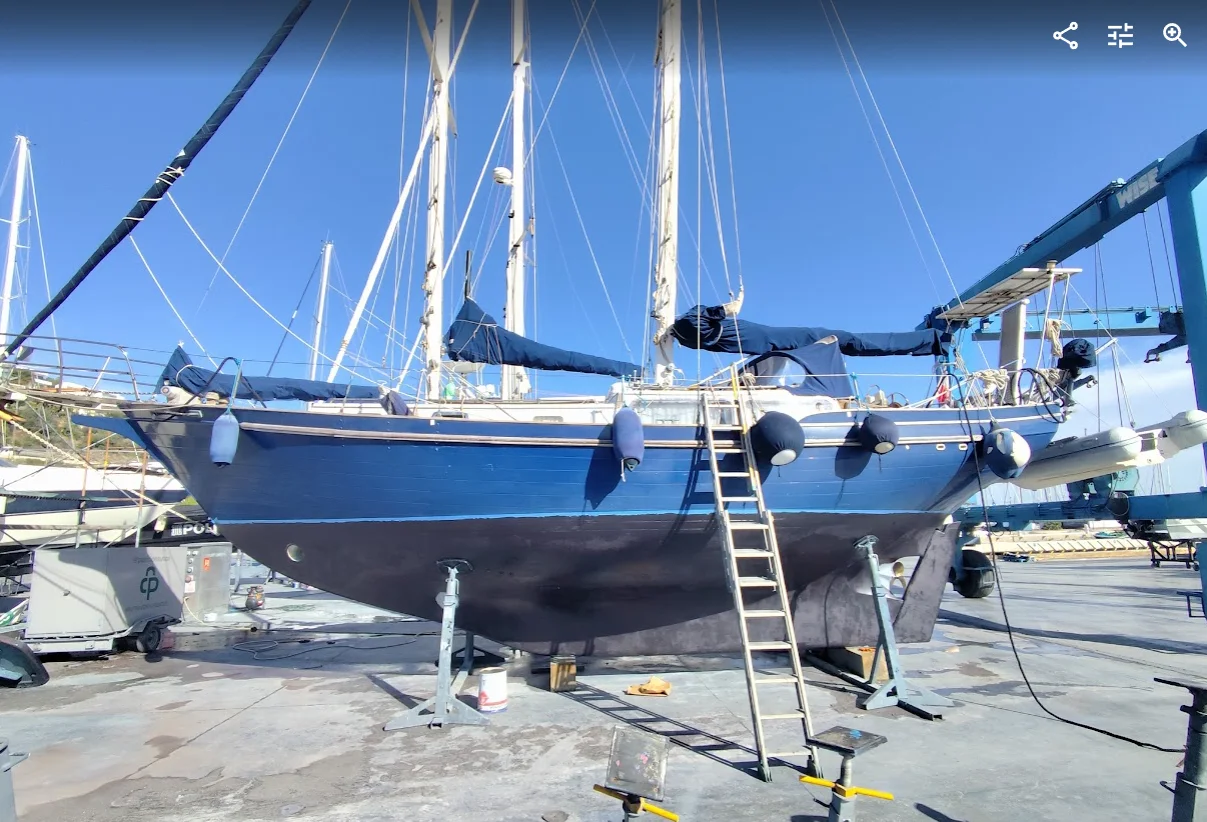
The most common mistake is to see a shiny hull and assume it is sound. New antifouling can hide botched repairs, too much filler or, worst of all, osmosis and hydrolysis. If you buy a boat with a rotten laminate, the repair can cost more than the boat is worth.
How we avoid it at Altair:
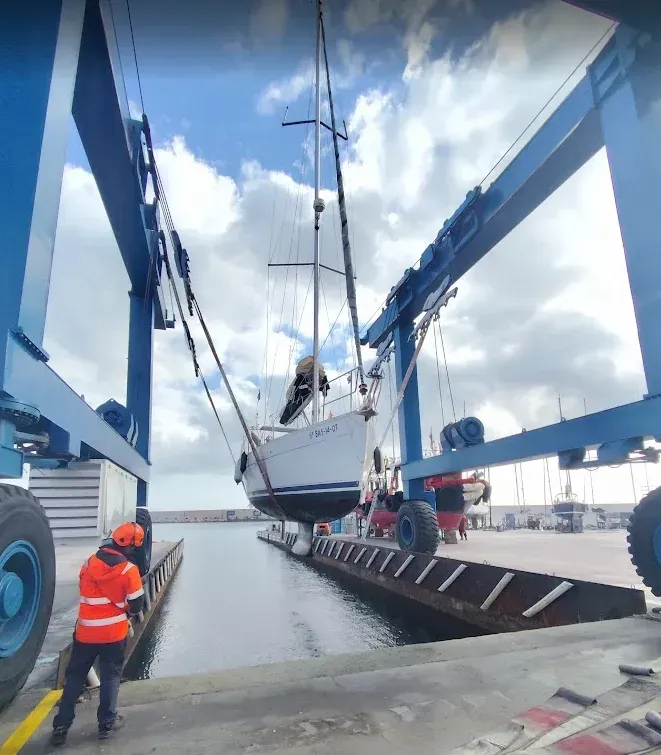
We don’t just look, we scan. We use digital moisture meters to map the moisture in the hull and carry out percussion tests on the underwater hull. We ask for the boat to have been out of the water for at least 48 hours so the reading is genuine.
Mistake 2: believing “if it starts, it’s fine” (engine forensics)
The seller almost always runs the engine before you arrive, so it is warm. An engine can sound fine in harbour and seize or overheat after 20 minutes under real load. Replacing the engine on a 40-foot sailing boat costs more than €12,000. Are you willing to gamble?
- Fluid analysis: we analyse the oil to see if there are metals (internal wear) or water (a blown head gasket).
- Infrared thermography: we scan the engine under load to spot hot spots invisible to the naked eye.
- Sea trial (WOT): we run the engine at full revs to see if it really holds up.
Mistake 3: ignoring the risk of an electrical fire
Many boats have dangerous home-made “DIY” jobs: thin cables for powerful fridges, joints wrapped in insulating tape or dead batteries. Electrical fires are one of the main causes of boats being lost.
As officially approved installers, we check cable sizes, measure stray current (galvanic corrosion) and test the real output of the VHF radio.
Mistake 4: not looking up (rigging and masthead)
This is where most buyers lose money. Replacing the rigging costs between €3,000 and €6,000. From the deck everything looks fine, but what state are the terminals in 15 metres up? A broken stay means losing the mast.
We fly. We use a high-resolution (4K) drone to inspect spreaders, chainplates and masthead terminals without unstepping the mast. We see cracks you wouldn’t spot with the naked eye even going up the mast.
Mistake 5: negotiating the price by guesswork
Going to the seller and saying “it seems expensive” doesn’t work. Going with an expert technical report detailing objective defects does.
The severity traffic light in our report:
- Critical: either it gets fixed or you don’t buy.
- Negotiable: use it to bring the price down.
- Fine: in good condition.
Conclusion: don’t buy a problem, buy peace of mind
A pre-purchase inspection is the best tool to make sure your dream doesn’t sink. For a fraction of the cost of the boat, you get an expert on your side, the latest technology and the security of knowing the truth.
Seen a boat you like? Don’t sign anything yet.
Request a quote and a sample report